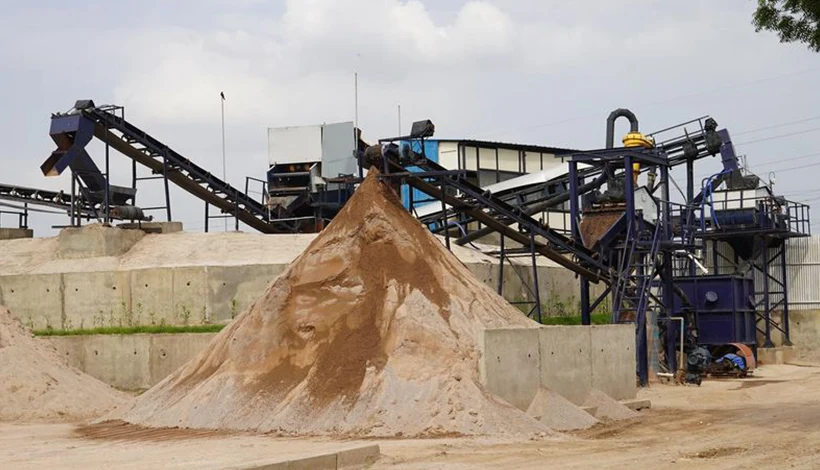
Turn construction waste into reusable value at scale
Construction waste management is essential for handling rising waste volumes, meeting regulatory requirements, and reducing environmental impact across projects. Demolition waste management plant requires specialized processing to handle mixed and variable debris efficiently.
At Awatech Solutions Pvt Ltd, we design and execute complete construction waste management plant solutions and construction waste recycling plants that convert mixed debris into reusable materials, reducing landfill dependency, ensuring regulatory compliance, lowering input costs, and improving overall project sustainability. These systems also support demolition waste management by efficiently processing highly variable debris generated during demolition activities.
Our solutions integrate advanced screening, washing, conveying, and separation technologies to maximize material recovery and maintain stable plant operations. Each waste management plant is custom-engineered to match regional waste characteristics, ensuring consistent output quality across varying waste streams.
Our plants support efficient construction and demolition waste recycling by maximizing material recovery and reducing landfill dependency.
Delivered through EPC, turnkey, or PPP models, these systems support long-term reliability and efficient project execution.
How Our Construction Waste Management Plant Works
We deliver a fully integrated construction waste management plant designed for both construction and demolition waste management applications, configured to match your project requirements, waste characteristics, and output goals. The system integrates advanced equipment such as screens, log washers, screw classifiers, thickeners, conveyors, and air separators to ensure efficient processing and maximum material recovery.
The system includes:
Material Feeding and Handling
- We manage material intake through engineered feed hoppers that regulate discharge and prevent overloading, ensuring controlled, consistent material flow.
- Conveyor systems then enable continuous movement, keeping operations stable and uninterrupted.
Segregation and Screening
- Once the waste enters the system, it is separated by size and type using dry and wet screening methods.
- Dry screening isolates larger debris early, improving downstream efficiency.
- Wet screening enables precise classification of fine particles in slurry-based separation.
Washing and Material Recovery
- At this stage, impurities are removed to improve material quality and recovery rates.
- Sand washing systems, supported by cyclones and dewatering units, eliminate silt and clay from fine materials, improving efficiency in C&D waste recycling.
- For higher throughput or multiple sand grades, dual washing setups increase recovery efficiency.
- Screw classifiers handle compact setups, while log washers clean heavily contaminated aggregates through intensive scrubbing.
Water and Sludge Management
- Process water is treated and reused, reducing overall consumption.
- Thickeners separate solids for recirculation and easier sludge handling, supporting both small and large-scale operations.
Systems are designed to recycle over 95% of process water, improving efficiency and reducing waste.
Environmental Control Systems
- Dust and lightweight contaminants are controlled at multiple stages to maintain cleaner operations.
- Dust suppression systems limit airborne particles, while air-based separation removes plastics and lightweight waste.
This construction waste management plant ensures efficient processing of both construction and demolition waste streams while maintaining consistent output quality. Our plants are designed to achieve over 95% water recycling, ensuring sustainable operation and reduced resource consumption.
Why Choose Awatech Solutions for Construction Waste Management Plant?
Awatech brings proven execution capability in C&D waste processing with:

15+ years of experience

350+ projects delivered

100+ successful installations

430+ clients served
Each project is supported by capabilities that strengthen execution, visibility, and long-term operability:
- Our solutions are designed to perform reliably in construction waste management applications.
- They are equally effective for demolition waste management plants, even in highly variable conditions.
- Real-time monitoring systems for better operational visibility and control.
- User-friendly interfaces for simplified plant management.
- Strong project management ensuring efficient execution from start to finish.
- EPC capabilities covering engineering, procurement, and construction.
Implement an advanced construction waste management plant to maximize material recovery, reduced landfill dependency, and support sustainable infrastructure development.
Industries We Serve
Our construction and demolition waste management plant solutions support a wide range of projects:
Infrastructure & Road Projects
Concrete, asphalt, and excavation waste recovery
Urban Development Projects
Waste handling in space-constrained sites
Demolition Contractors
Segregation and Recovery of waste via demolition waste management plants
Real Estate & Commercial Construction
Structured processing of mixed construction debris
Municipal & Government Bodies
Scalable, compliant C&D waste management systems
FAQ
1. How to remove construction waste?
Sort waste at source (concrete, wood, metal, hazardous), then send it to authorized recycling or disposal facilities. Use licensed haulers and follow local regulations for debris removal.
2. How to manage construction waste?
Plan waste handling early with a site waste management plan (SWMP), track material usage, and enforce segregation. Reuse materials on-site and partner with recyclers to minimize landfill disposal.
3. What are the 8 wastes of construction?
Defects, overproduction, waiting, non-utilized talent, transportation, inventory, motion, and over processing. These come from Lean principles applied to construction workflows.
4. What are the types of C&D waste?
Common types of C&D waste include concrete, wood, metals, bricks, drywall, asphalt, glass, plastics, and hazardous waste (like asbestos or paints). Each requires specific handling or recycling methods.
5. What is demolition waste management plant?
Demolition waste management plant involves handling and processing debris generated during demolition activities, ensuring efficient recycling, safe disposal, and regulatory compliance.